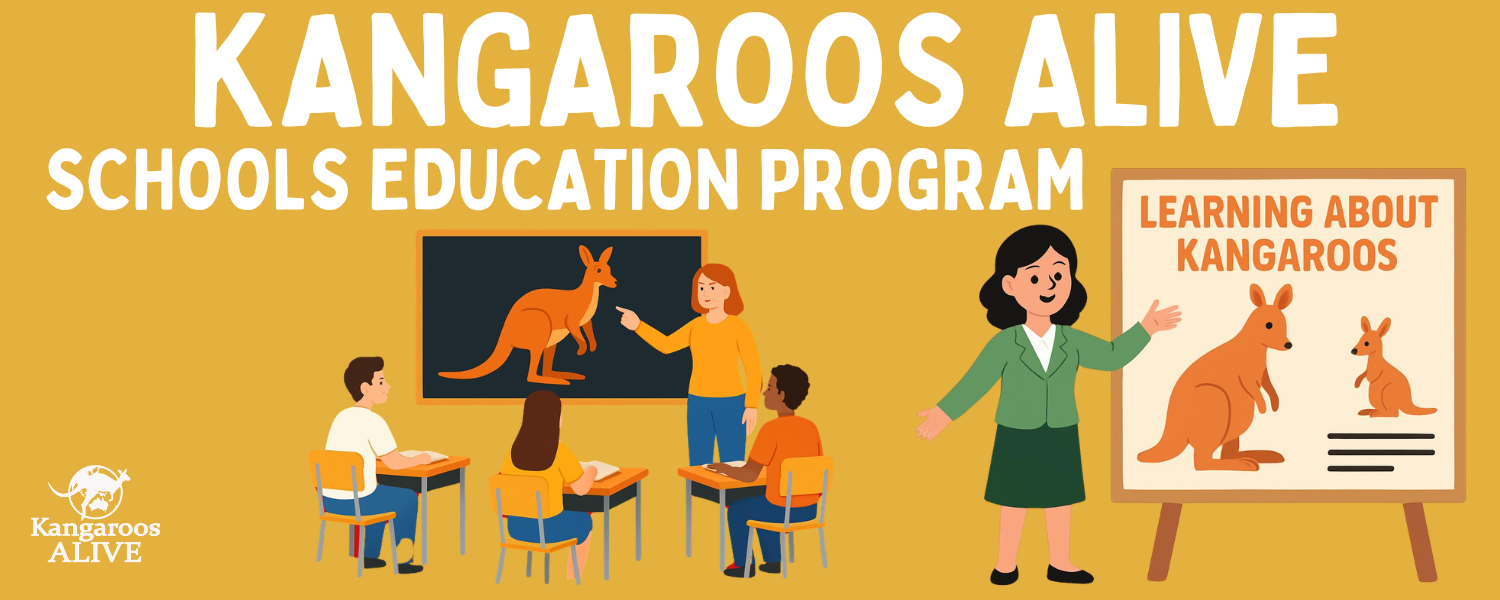
Schools resources

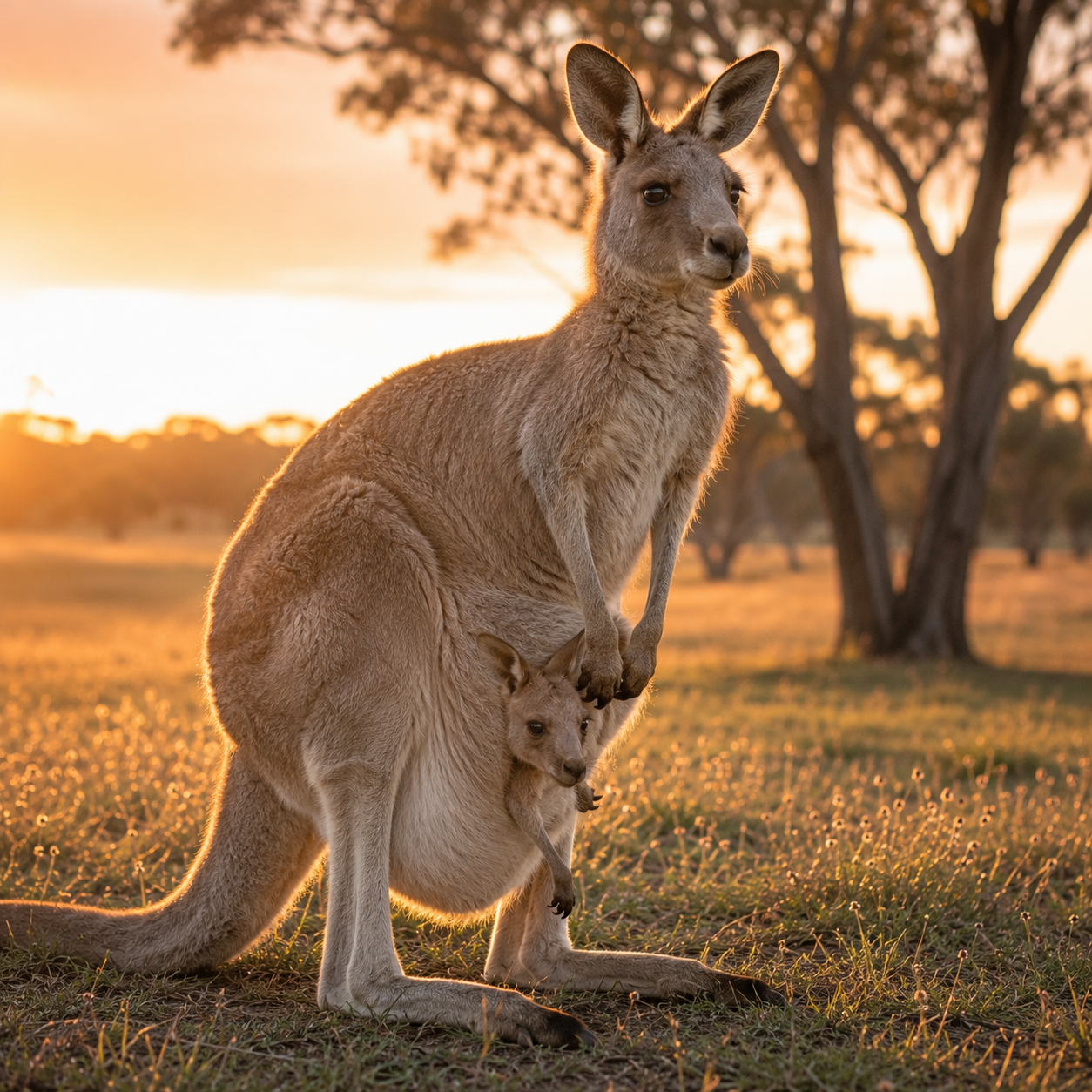
Kangaroos are Australia's most recognisable native animals, yet few students have the opportunity to learn about their behaviour, their importance to healthy ecosystems, their cultural significance or the challenges they face.

The Kangaroos Alive Schools Program has been developed to help fill that gap.

These free classroom resources encourage students to explore kangaroos through science, geography, history, civics, ethics and creative learning. They are designed to foster curiosity, critical thinking and respectful discussion while helping students develop a deeper understanding of Australia's unique wildlife.

Flexible and easy to use

The lessons have been written so teachers can use them in a way that best suits their classroom.

You might choose to:

  • teach a single lesson as a stand-alone activity

  • complete the entire unit over several weeks

  • incorporate activities into World Kangaroo Day celebrations

  • adapt discussions and creative tasks to suit your students and curriculum needs

  • use the accompanying worksheets, videos and extension activities for further learning.

Each lesson includes learning objectives, lesson plans, discussion questions, classroom activities, assessment suggestions and links to additional resources, making them easy to implement with minimal preparation.

Resources for different age groups

Our program includes dedicated resources for both primary and secondary students.

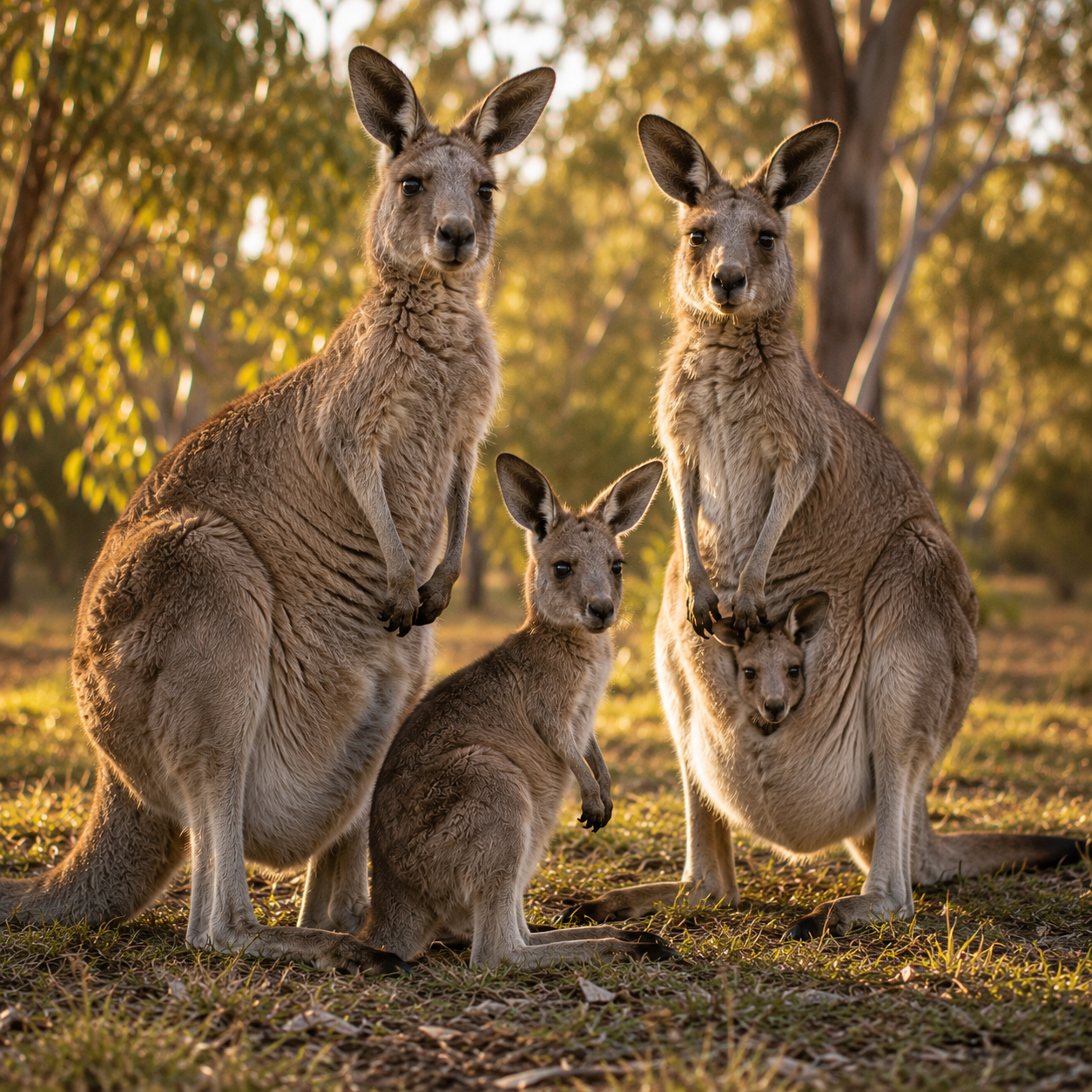
Primary lessons introduce younger students to kangaroos as families, neighbours and native wildlife we share our landscape with. The focus is on empathy, responsibility and positive actions that help keep kangaroos safe.

Secondary lessons explore kangaroos in greater depth, covering their biology, ecology, cultural significance, the pressures they face, Indigenous perspectives, coexistence and the role young people can play in creating a future where humans and kangaroos can thrive together.

Whether you teach one lesson or the complete program, these resources provide students with the opportunity to discover one of Australia's most remarkable animals while encouraging informed discussion, respectful coexistence and a greater appreciation of our shared natural heritage.
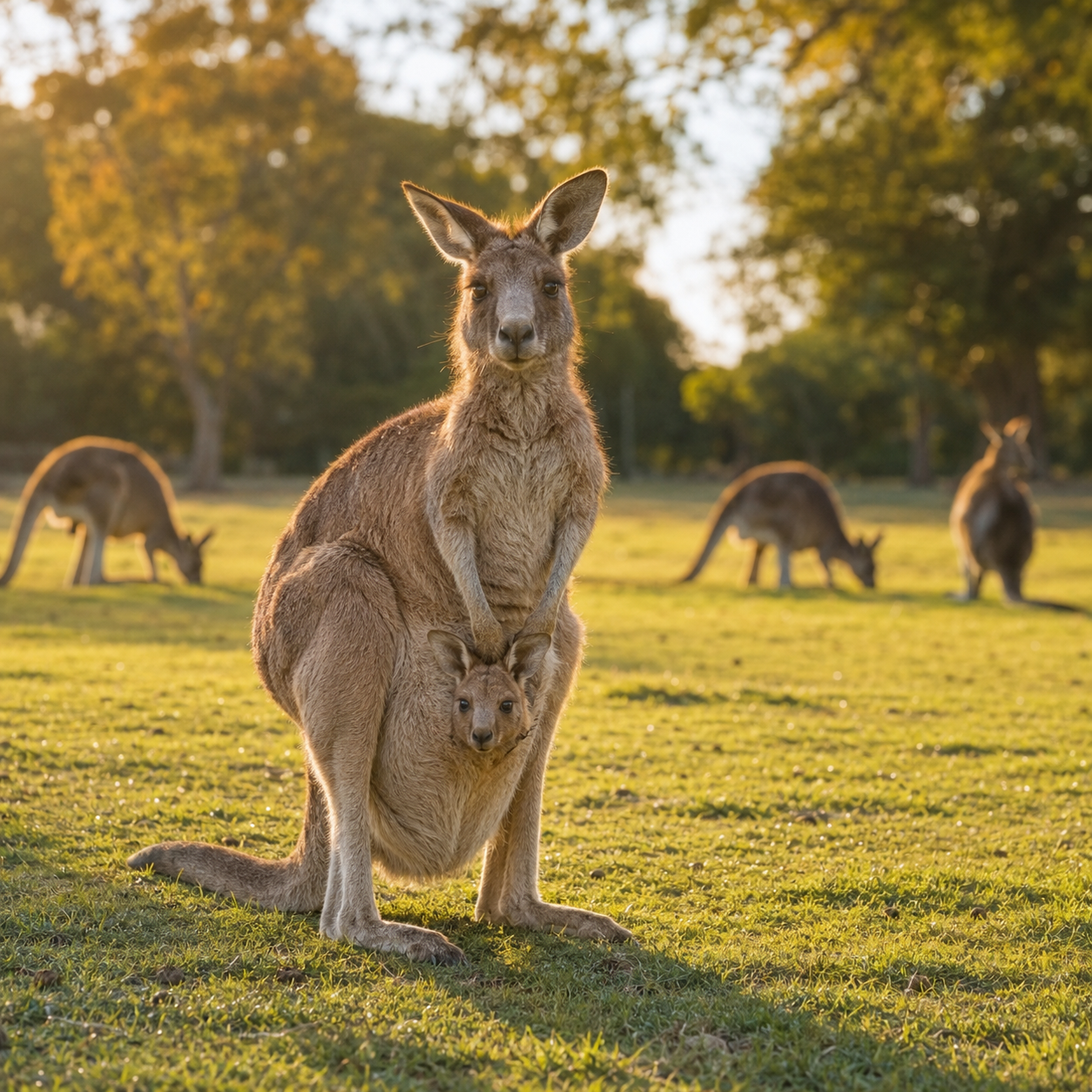
HIGH SCHOOL LESSON PLANS
Kangaroo Rescue

Greg Keightley, licenced kangaroo/wildlife rescuer and carer

Greg Keightley is a licenced kangaroo/wildlife rescuer and carer with more than 20 years experience. He is one of many volunteers who respond to wildlife in crisis in New South Wales.

Kangaroo rescues in Australia occur most often as a direct result of human intervention. Kangaroos have to contend with so many issues for their survival. The commercial shooting of millions of kangaroos every year and the collateral damage of injured and orphaned kangaroos and joeys from this cruel industry remains one of the biggest challenges for wildlife carers, and one that Greg and his team are dealing with on a daily basis.

Kangaroos are also illegally hunted recreationally, and shot by farmers who consider them a pest, which adds to their burden. The loss of their natural habitat places kangaroos in further peril and they regularly collide with motor vehicles, are attacked by dogs, caught in fences, subjected to deliberate acts of cruelty and increasingly have their natural habitat destroyed.

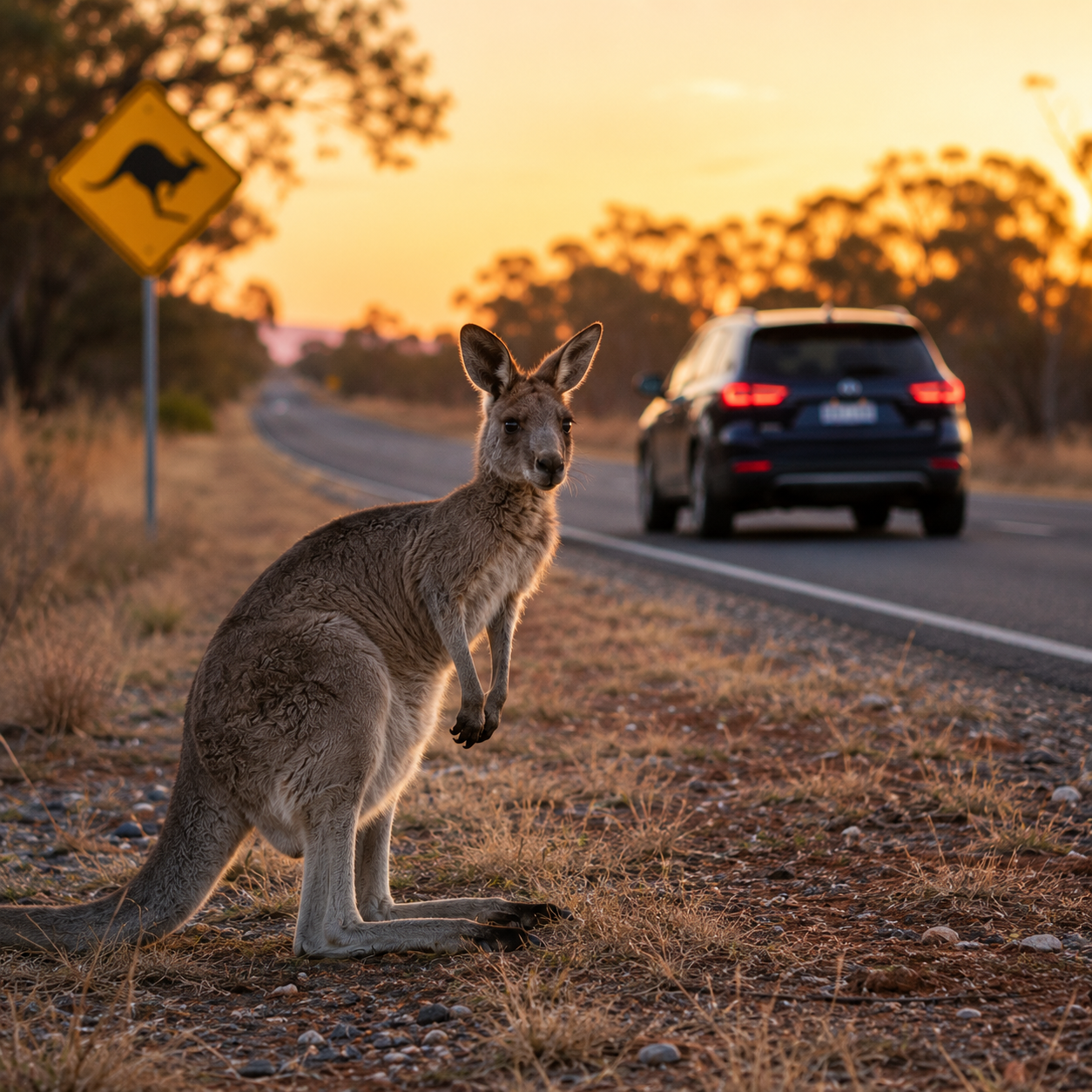
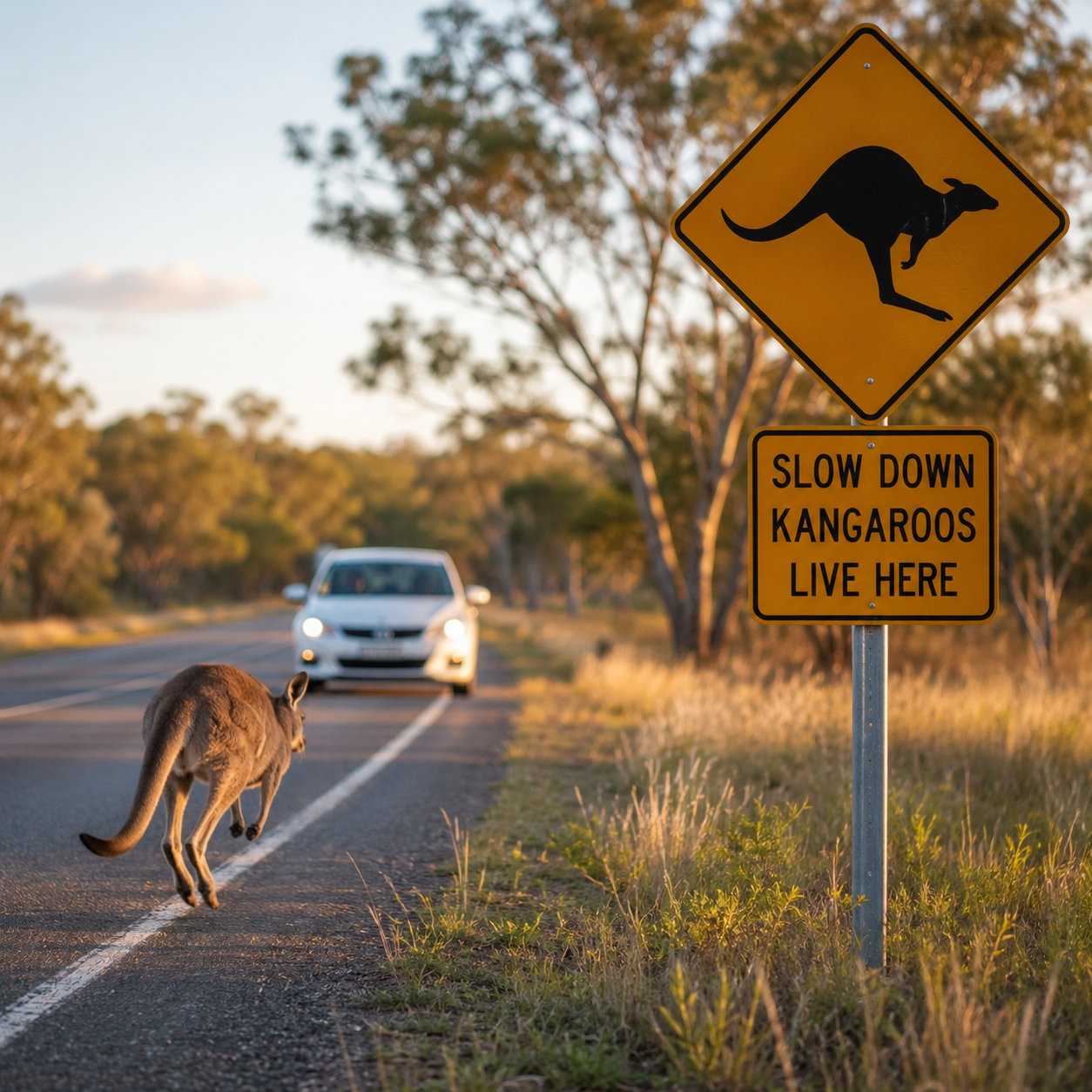
Every year four million native animals are killed on Australian roads, and sadly, most are kangaroos. Many are female kangaroos who are carrying baby joeys in their pouches.
If these babies are not rescued from their dead mothers swiftly, they will die from predation, exposure and starvation.

Tragically, the recent bushfires in Australia have destroyed more than 12.35 million acres and much of that is kangaroo habitat. Approximately 1.2 billion animals have been killed and unknown numbers injured and left for dead. The images from the fires and wildlife are apocalyptic but thankfully through the work of volunteers like Greg, and the many rescue teams across Australia, some of these victims can get the urgent treatment and ongoing care that they need to survive the tragedy and be returned to the wild for the future.
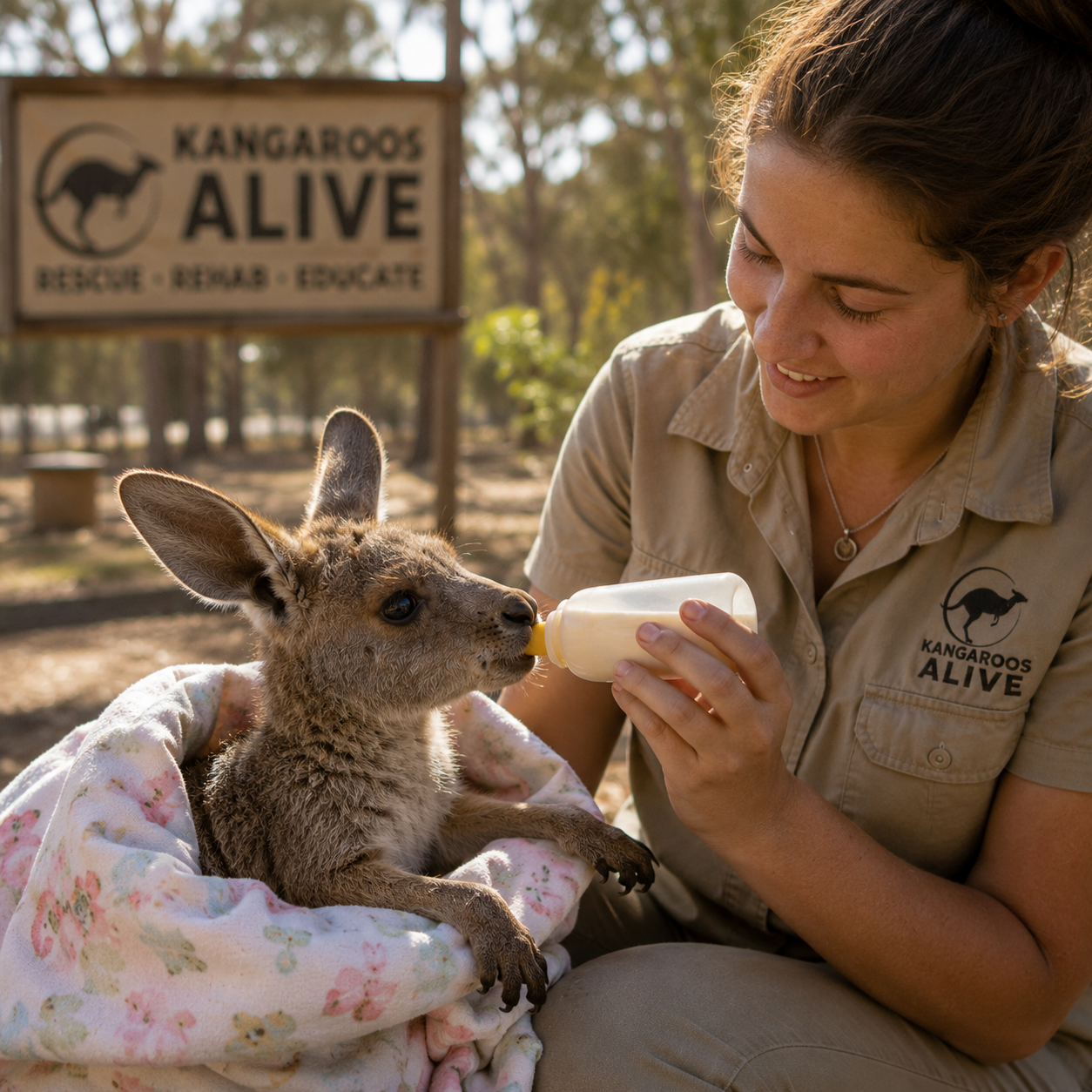
Rescue work being undertaken is mostly a team effort and is harsh and often devastating work. Once the kangaroos have been rescued, Greg and Diane work to rehabilitate the kangaroos for release back into the wild. This can take many months of work and rehabilitation, and requires ongoing medical treatment, medical supplies, veterinary help, food and bedding.

If you can assist in any way with helping the ongoing work of the rescue and care of Kangaroos, please donate.

Go to the RESCUE page to see the current projects KA Rescue are working on.